


How to spot crypto scams: red flags, common schemes and where to report
Learn how to spot crypto scams, from pig butchering and fake platforms to rug pulls and seed-phrase phishing, plus a red flags checklist and how to report fraud.
Crypto & Fintech · Explainer
What is bitcoin? A clear explainer on the blockchain, mining and proof of work, the 21 million cap, halvings, wallets and keys, plus the risks and regulation.
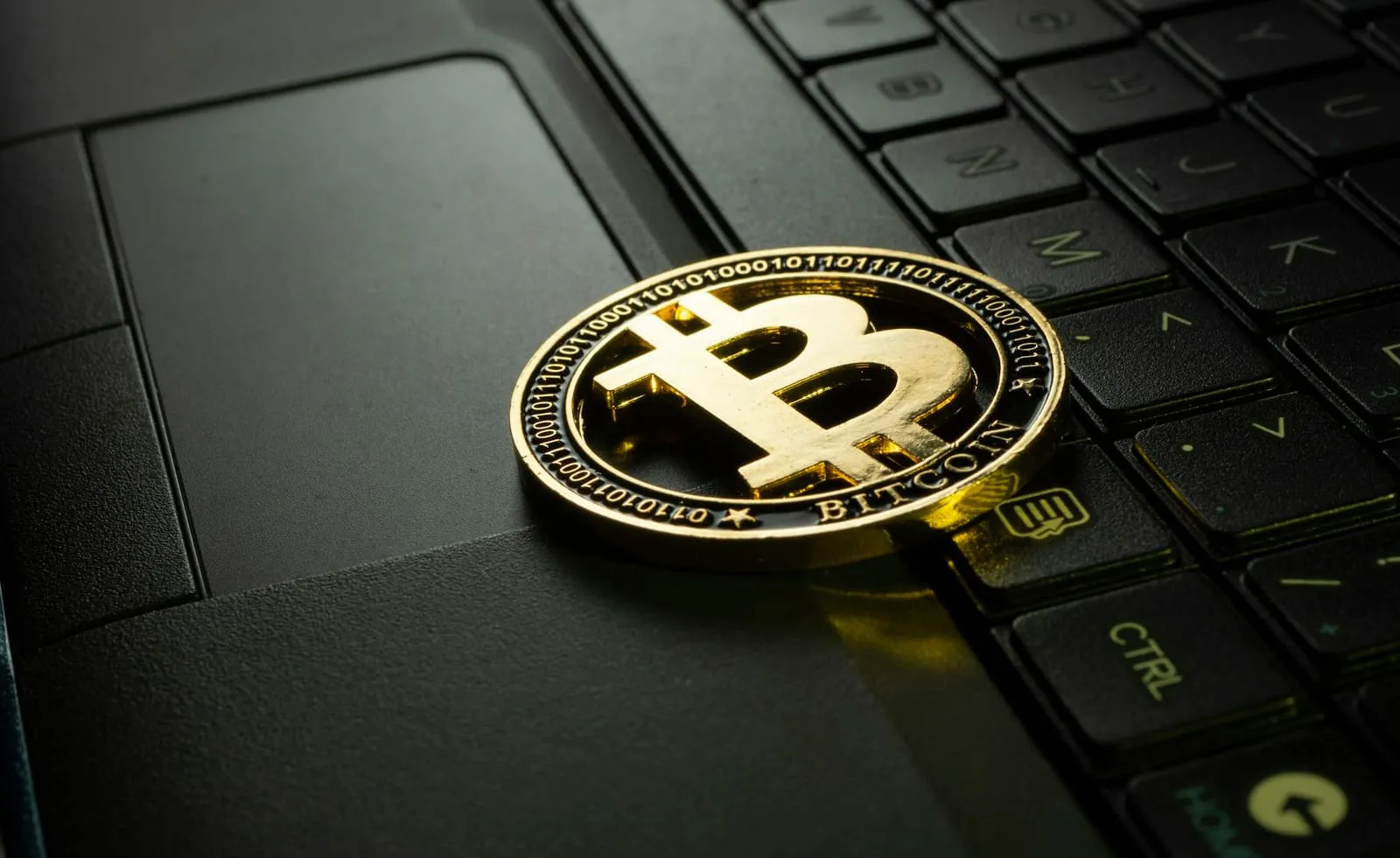
Key takeaways
Bitcoin is a digital currency that lets people send value directly to each other over the internet without a bank or payment company in the middle. Instead of a central authority, a global network of computers keeps a shared public record of every transaction, called the blockchain, and new coins are created on a fixed, predictable schedule capped at 21 million. Here’s how it works, why it’s built the way it is, and what risks come with owning it.
This is general education, not personal financial advice.
On October 31, 2008, in the middle of the global financial crisis, someone using the name Satoshi Nakamoto published a nine-page paper titled “Bitcoin: A Peer-to-Peer Electronic Cash System.” It proposed a way to make online payments without trusting a financial institution, by solving the “double-spending” problem, the risk that a digital token could be copied and spent twice, through a public, timestamped ledger maintained by the network itself.
The network went live in January 2009, when Nakamoto mined the first block, known as the genesis block. Nakamoto’s identity has never been confirmed, and they stopped participating publicly within a couple of years. Bitcoin today is maintained as open-source software, and anyone can run it.
A blockchain is a list of transaction records grouped into blocks, with each block cryptographically linked to the one before it. NIST’s Blockchain Technology Overview describes it as a tamper-evident and tamper-resistant digital ledger distributed across many participants.
Here’s what that means in practice:
Here’s a simple example. Say Alice wants to send 0.01 bitcoin to Bob. Her wallet creates a transaction, signs it with her private key and broadcasts it to the network. Nodes check that the signature is valid and that the coins haven’t already been spent, then hold it in a waiting area until a miner includes it in a block. Once it’s in a block, the payment has one confirmation. Each later block piled on top adds another, making the payment progressively harder to undo, which is why merchants and exchanges often wait for several confirmations before treating a large payment as final.
If no one is in charge, who decides which transactions get added? Bitcoin’s answer is proof of work. Miners, computers running specialized hardware, bundle pending transactions into a candidate block and then race to find a number that, combined with the block’s data, produces a hash below a target value. The only way to find it is brute-force guessing, which takes enormous computing effort. Checking the answer, by contrast, is instant.
The first miner to find a valid solution broadcasts the block, other nodes verify it, and the miner earns a reward: newly created bitcoin plus the fees attached to the transactions in the block. This process does three jobs at once:
The network adjusts the difficulty of the puzzle every 2,016 blocks, about every two weeks, so that blocks keep arriving roughly every 10 minutes no matter how much mining power joins or leaves. The trade-off is energy. Proof of work consumes large amounts of electricity, which is a persistent source of criticism.
Bitcoin’s monetary policy is written into its code. When the network started, each new block paid miners 50 bitcoin. Every 210,000 blocks, roughly every four years, that reward is cut in half, an event called the halving.
| Approximate halving date | Block reward afterward |
|---|---|
| Launch, January 2009 | 50 BTC |
| November 2012 | 25 BTC |
| July 2016 | 12.5 BTC |
| May 2020 | 6.25 BTC |
| April 2024 | 3.125 BTC |
Because the reward keeps halving, total supply approaches but never exceeds 21 million coins, with the last fractions expected to be mined around 2140. Each bitcoin is divisible into 100 million units called satoshis, so the cap doesn’t limit how small a payment can be. Supporters see this fixed supply as a hedge against inflation. Critics note that scarcity alone doesn’t create stable value.
You don’t hold bitcoin the way you hold a dollar bill. What you hold is a private key, a long secret number that proves you control coins recorded at certain addresses on the blockchain. A matching public key and address let others send coins to you. As Bitcoin.org explains, the signature made with your private key is what authorizes a transaction.
A wallet is simply software or hardware that manages those keys. The main options:
Self-custody wallets usually give you a recovery phrase, a list of 12 or 24 words that can restore your keys. Anyone who gets that phrase can take your coins, and if you lose it along with your device, no help desk can restore access. That’s why seed phrases are a prime target in crypto scams.
Bitcoin has gone through repeated cycles of dramatic gains followed by steep crashes, with drawdowns of well over 50% more than once. Our explainer on bull vs bear markets covers how such cycles work in general. The SEC’s crypto assets resources highlight several risks investors should weigh:
Volatility is also why bitcoin works poorly as everyday money for most people, and it’s one reason stablecoins emerged. Our explainer on stablecoins covers how they try to hold a steady value.
Regulation varies by country, and it continues to evolve, so treat this as a general outline. In the US, no single agency oversees all of bitcoin. Commodity, securities, banking, anti-money-laundering and tax rules can all apply depending on the activity. Exchanges that serve US customers are generally required to verify identities and report suspicious activity.
A milestone came on January 10, 2024, when the SEC approved the listing and trading of several spot bitcoin exchange-traded products, funds that hold bitcoin directly and trade on stock exchanges. That gave investors a way to get bitcoin price exposure through a regular brokerage account, though the price risk is the same. The SEC’s chair stressed at the time that the approval wasn’t an endorsement of bitcoin itself.
For taxes, the IRS treats digital assets as property, so selling, trading or spending bitcoin can produce a taxable gain or loss.
Bitcoin is a decentralized digital currency secured by proof of work, recorded on a public blockchain and limited to 21 million coins by code. Its design removes the need for a central authority, but it shifts responsibility to the user: whoever controls the private key controls the coins. It has also been one of the most volatile major assets ever traded. Understanding the mechanics, the custody choices and the risks is the essential first step before deciding whether it belongs anywhere near your money.
For more explainers on digital assets and payments, visit our Crypto & Fintech hub.
Bitcoin was introduced in a 2008 whitepaper by a person or group using the name Satoshi Nakamoto, and the network launched in January 2009. Nakamoto's real identity has never been confirmed. Nakamoto stepped back from the project in its early years, and development has since been carried on by a community of open-source contributors.
Not really. Bitcoin is better described as pseudonymous. Addresses aren't tied to names on the blockchain, but every transaction is public and permanent. Analysts and law enforcement can often link addresses to real people, especially when coins pass through exchanges that verify customers' identities.
Because the block reward halves roughly every four years, new issuance shrinks toward zero and the last fraction of a coin is expected to be mined around the year 2140. After that, miners would be paid only through transaction fees. Whether fees alone will be enough to keep the network secure is an open debate.
The IRS treats bitcoin and other digital assets as property, not currency. Selling bitcoin, trading it for another crypto asset or spending it on goods can trigger a capital gain or loss, and bitcoin received as payment or from mining is generally taxable income. Keep records of what you paid and when, and check current IRS guidance or a tax professional.
First published . Spotted an error? Read our editorial policy and tell us.
Learn how to spot crypto scams, from pig butchering and fake platforms to rug pulls and seed-phrase phishing, plus a red flags checklist and how to report fraud.
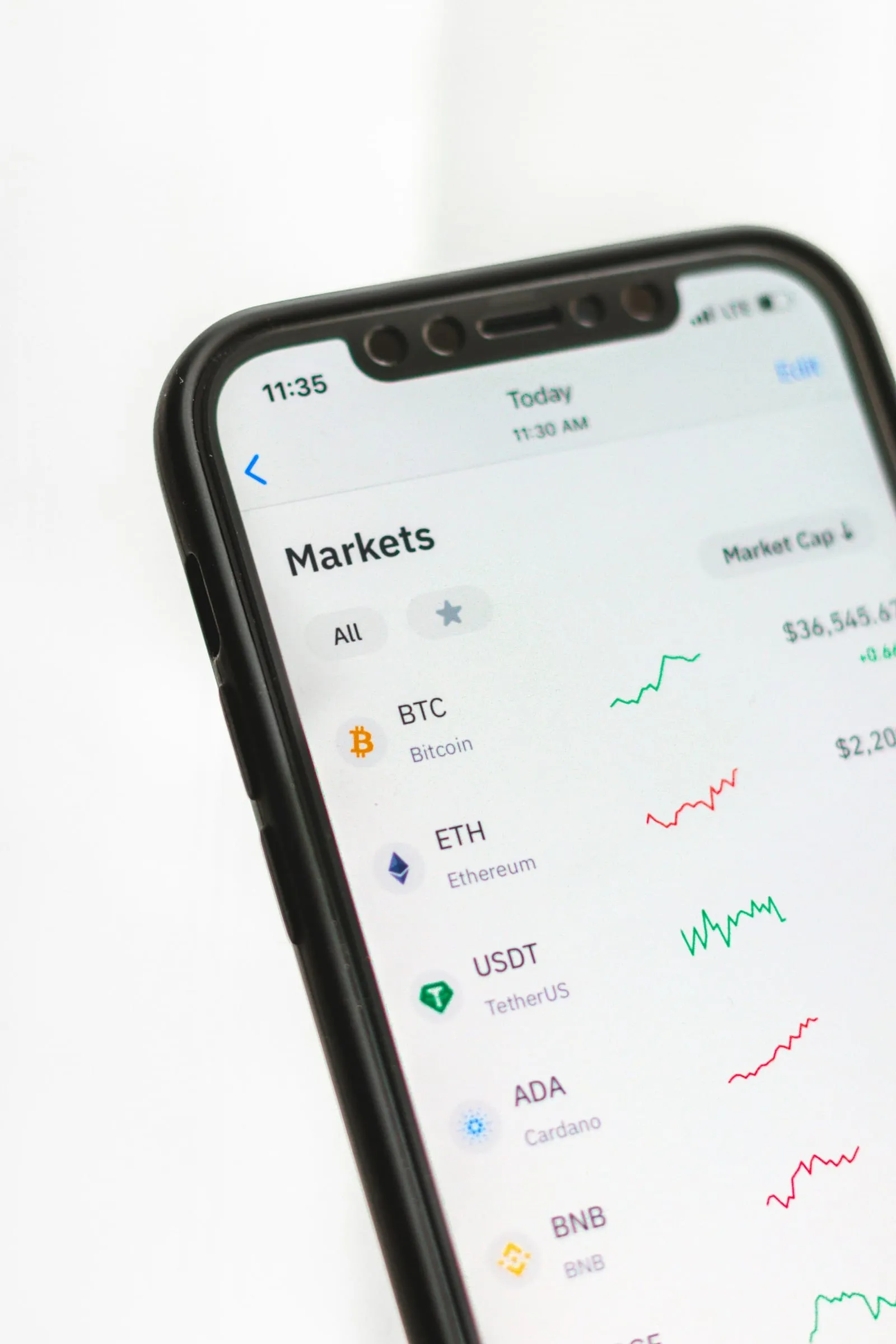
Stablecoins explained: fiat-backed, crypto-backed and algorithmic types, how reserves and attestations work, why depegs happen, and how regulation is changing.

How interest rates affect the stock market: the Fed's policy rate, discount rates and valuations, why bond prices fall as yields rise, and effects on sectors.
Contact RedAndWhiteMagz.com
Spotted a market shift, a company worth profiling, a scam making the rounds or a mistake in one of our articles? Tell us. We read every message and reply as quickly as we can.