

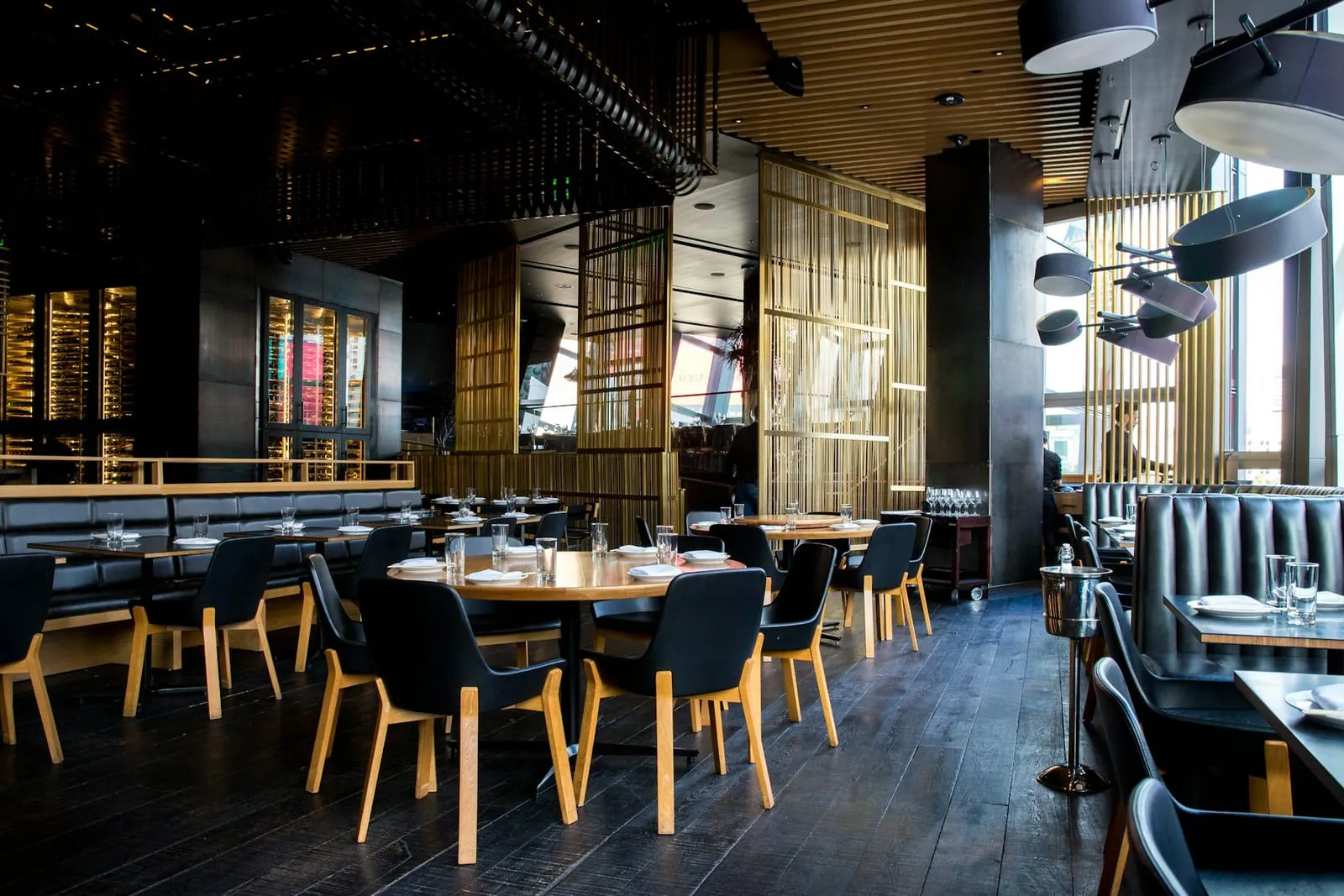
The experience economy explained: why memories became the product
The experience economy explained: Pine and Gilmore's idea, the progression of economic value, real examples from hotels to coffee shops and what it means for brands.
Topic hub
Workplace culture, business travel and the consumer trends shaping how people work, spend and live.
About this hub
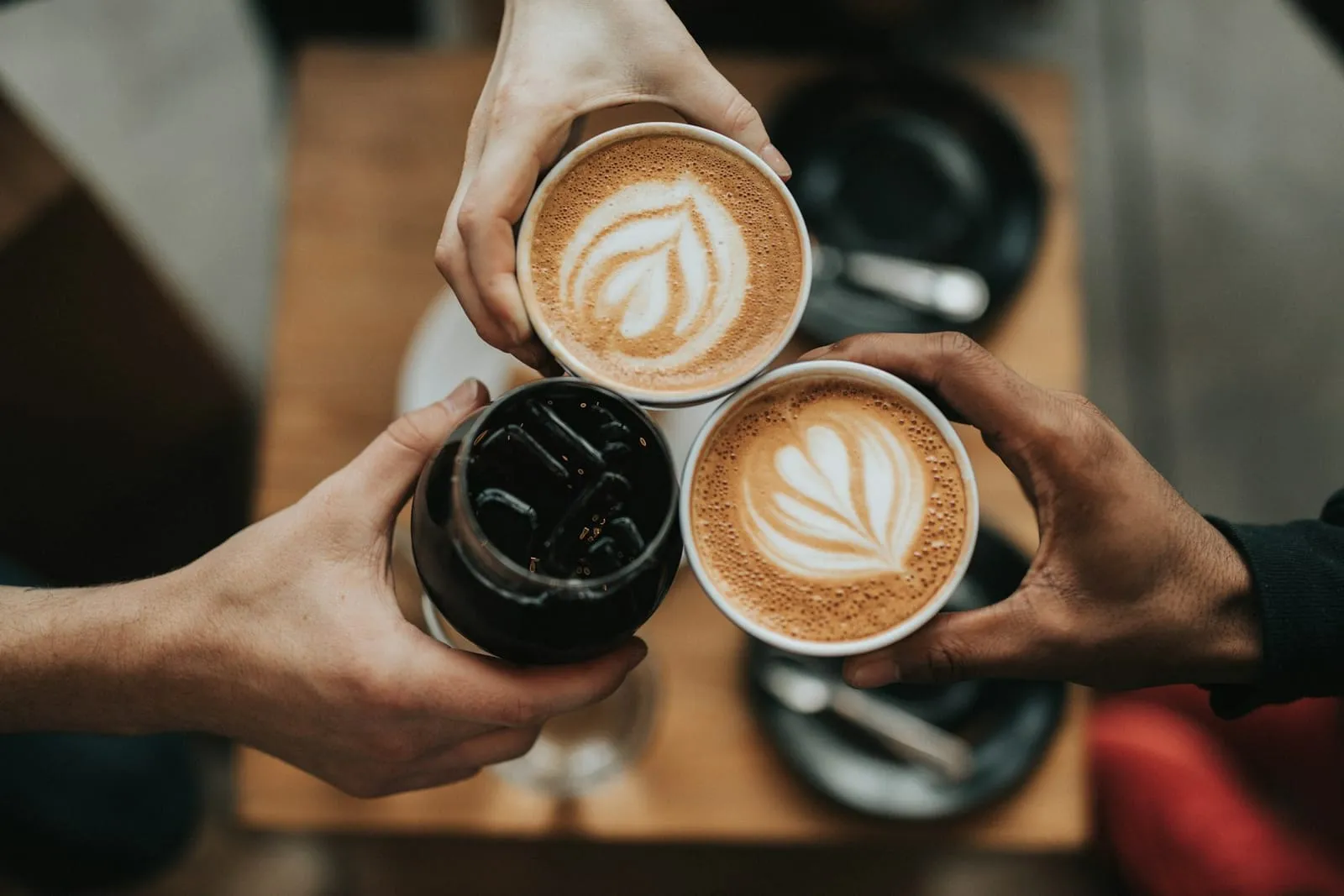
The Lifestyle & Culture hub covers the human side of business. We look at how people work, including hybrid and remote arrangements, workplace culture and careers, as well as business travel, wellbeing and productivity. We also follow the consumer and cultural trends that companies have to respond to, from the rise of the experience economy to changing tastes in food, retail, fashion and leisure.
These topics matter to managers trying to build a team that works well across locations, to professionals who travel for work, and to anyone who wants to understand why some brands thrive while others fade. RedAndWhiteMagz.com treats culture as a serious business subject: we explain the ideas behind a trend, such as Pine and Gilmore's work on the experience economy, show how companies are responding, and keep personal advice practical rather than aspirational.
Start with our analysis of hybrid work culture, then our business travel guide and our trend report on the experience economy. The subtopics below outline the rest of our coverage, and the FAQs answer three questions readers often ask. Lifestyle advice depends on circumstances, so we explain the trade-offs and let you decide what fits your work and life.
Working models compared, how to run meetings and build trust across locations, and how to keep hybrid arrangements fair.
Values, rituals, recognition and the everyday management habits that shape how a company actually feels to work at.
Planning, packing, expenses, loyalty programs and staying healthy and productive on the road.
Skills, career moves, focus and the routines that help professionals do their best work without burning out.
How spending habits are changing across food, retail, fashion and leisure, and what that means for brands.
Why people increasingly pay for memorable experiences, and how hospitality, retail and events businesses design for them.
Lifestyle & Culture articles
The experience economy explained: Pine and Gilmore's idea, the progression of economic value, real examples from hotels to coffee shops and what it means for brands.

Hybrid work culture explained: the main models, what research says about productivity, how to run meetings and rituals fairly, and a checklist for managers.

Practical business travel tips: planning, packing, loyalty programs, receipts and expenses, jet lag, health, device security and greener ways to fly.
Quick answers
Short, plain-English answers to the questions readers ask most about lifestyle & culture.
Hybrid work is an arrangement in which employees split their time between an office and another location, usually home. Models range from fixed schedules, such as set office days each week, to flexible arrangements where teams choose when to meet in person. Hybrid work tends to succeed when its rules are clear, consistent and fair.
The experience economy is the idea, popularized by B. Joseph Pine II and James H. Gilmore in a 1998 Harvard Business Review article, that businesses create more value by staging memorable experiences than by selling goods or services alone. Theme parks, specialty coffee shops, concerts and immersive retail stores are common examples.
Plan your schedule and documents before you leave, keep work files available offline, use travel time for focused tasks that do not need the internet, and protect sleep, which affects performance more than any app. Keep receipts organized as you go, so expense reports do not pile up when you return.
Explore more
Contact RedAndWhiteMagz.com
Spotted a market shift, a company worth profiling, a scam making the rounds or a mistake in one of our articles? Tell us. We read every message and reply as quickly as we can.