


How interest rates affect the stock market, bonds and the economy
How interest rates affect the stock market: the Fed's policy rate, discount rates and valuations, why bond prices fall as yields rise, and effects on sectors.
Topic hub
What moves stocks, bonds and the economy, and how to tell a lasting trend from a noisy week.
About this hub
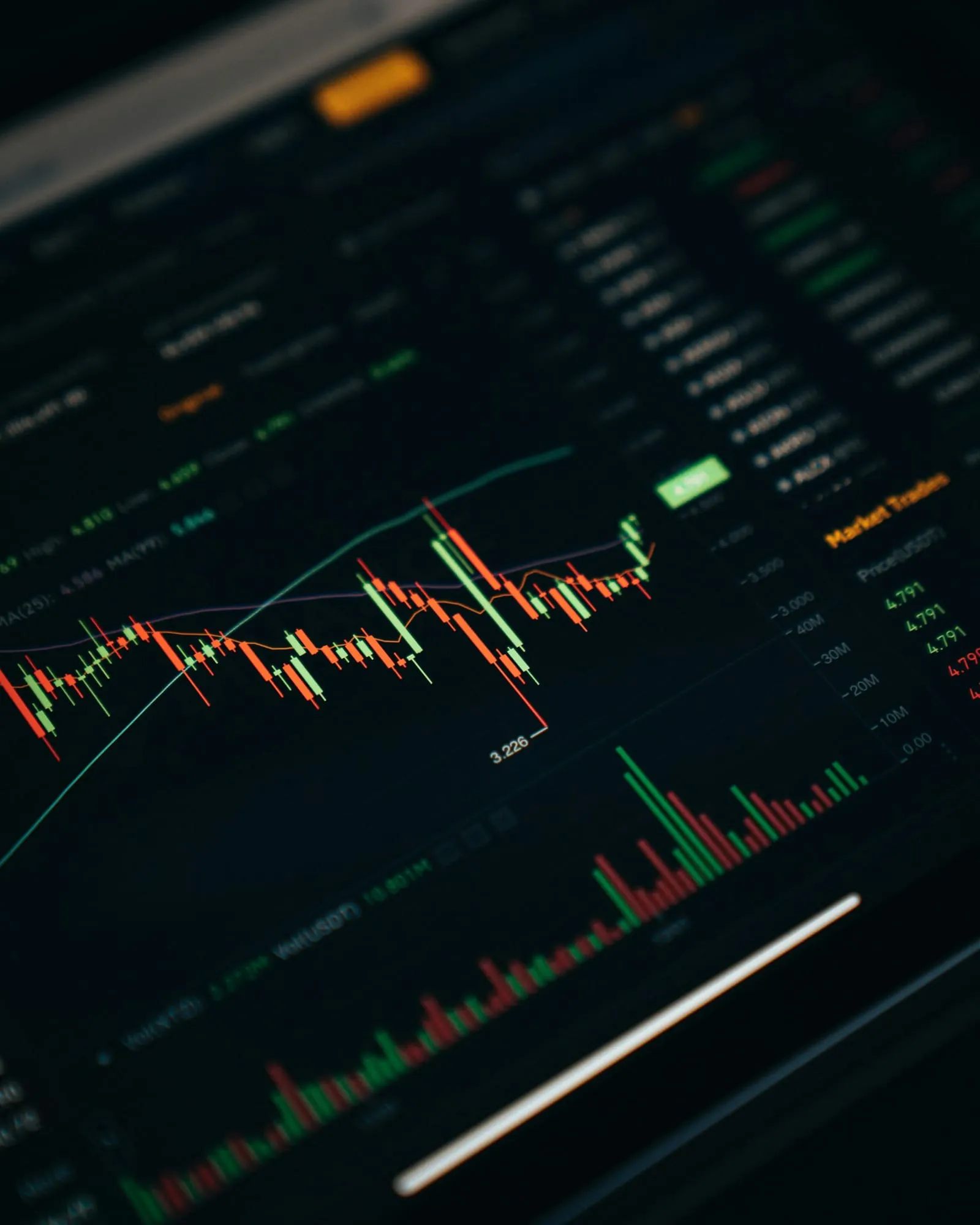
Market Trends is where RedAndWhiteMagz.com explains how financial markets and the wider economy behave. We cover stock market cycles, bull and bear markets, interest rates and central bank policy, inflation, the economic indicators that move prices, and the sector and industry shifts that reshape where money flows. The goal is understanding, not tips: why markets react the way they do, and which signals have historically mattered.
Market coverage often swings between excitement and alarm. We take a calmer approach for readers who want context: professionals tracking their industry, investors building long-term portfolios, students learning economics and business owners planning around borrowing costs. Every article separates what is known, such as how bond prices move when rates change, from what is uncertain, such as where markets will go next. We define terms such as yield curve, correction and market breadth the first time they appear.
Start with our guide to reading market trends, then the bull versus bear market explainer and our analysis of how interest rates affect the stock market. The subtopics below outline the rest of our coverage, and the FAQs give quick answers to common questions. Nothing in this hub is personal investment advice; for decisions about your own money, consider speaking with a licensed financial professional.
Bull and bear markets, corrections and recoveries, and what history does and does not tell us about how long they last.
How the Federal Reserve and other central banks set policy, and how rate changes ripple through stocks, bonds, mortgages and currencies.
What CPI and PCE measure, why inflation matters for profits and valuations, and how different assets have tended to respond.
Leading, coincident and lagging indicators, from jobs reports and GDP to purchasing managers' indexes, and how to read them without overreacting.
Sector rotation, cyclical versus defensive businesses, and the structural trends reshaping industries such as energy, retail and technology.
Developed and emerging markets, exchange rates and trade, and why events abroad can move markets at home.
Market Trends articles
How interest rates affect the stock market: the Fed's policy rate, discount rates and valuations, why bond prices fall as yields rise, and effects on sectors.

How to read market trends: primary vs secondary trends, moving averages, volume and breadth, leading and lagging indicators, sector rotation, and their limits.
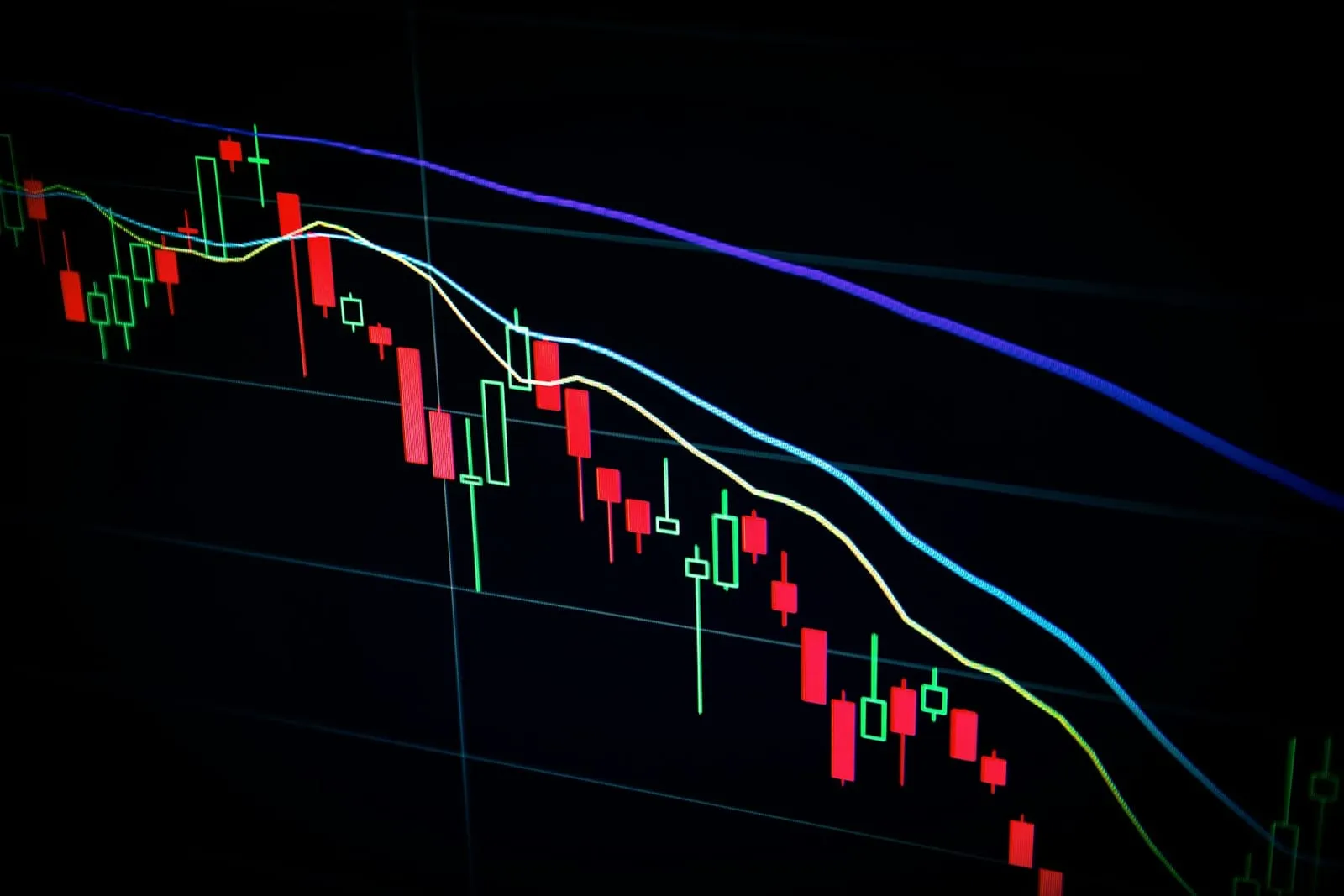
Bull vs bear market explained: the 20% rule, how a correction differs, how long each tends to last, the psychology behind them, and what to do and avoid.
Quick answers
Short, plain-English answers to the questions readers ask most about market trends.
A market trend is the general direction prices move over a period of time: up, down or sideways. Analysts often separate long-term primary trends, which can last months or years, from shorter secondary moves within them. Trends are easier to identify in hindsight than in real time, which is why they are best used for context rather than prediction.
A bull market is a sustained rise in prices, while a bear market is commonly defined as a decline of 20% or more from a recent high. A smaller drop of around 10% is usually called a correction. The labels describe what has already happened and do not predict what comes next.
Higher rates raise borrowing costs for companies and consumers, which can slow growth and profits. They also make safer assets such as bonds and savings accounts more attractive, and they reduce the present value of future earnings that investors use to value shares. The effect varies by sector and depends on why rates are rising.
Explore more
Contact RedAndWhiteMagz.com
Spotted a market shift, a company worth profiling, a scam making the rounds or a mistake in one of our articles? Tell us. We read every message and reply as quickly as we can.