
Home security camera buying guide: local vs cloud storage and privacy
Home security camera buying guide: resolution, night vision and field of view explained, plus local vs cloud storage, encryption and privacy tips before you buy.
Smart Home · Explainer
Matter and Thread explained: how the smart home standards work together, which speakers and hubs are Thread border routers and what Matter still can't do.
Key takeaways
Matter is a shared language that lets smart home gadgets from different brands work with Apple Home, Google Home, Amazon Alexa and Samsung SmartThings, usually over your home network instead of the cloud. Thread is a low-power wireless network that many Matter devices use, and it needs a small go-between called a Thread border router, which is often already built into a smart speaker, streaming box or Wi-Fi router you own. Here’s how the two fit together, and where they still fall short as of 2026.
Matter is a smart home standard from the Connectivity Standards Alliance (CSA), the industry group formerly known as the Zigbee Alliance. The first version arrived in October 2022, built with Amazon, Apple, Google, Samsung SmartThings and hundreds of other member companies.
The idea is simple: a maker builds one Matter version of a smart plug or lock, and it works with every major platform. Instead of hunting for separate “works with” badges, look for the Matter logo on the box, which shows the product is certified.
It also helps to know what Matter isn’t:
Matter runs over three kinds of connection: Wi-Fi, Thread and Ethernet. Bluetooth Low Energy is used only during setup, to pass the new device your network details. The maker chooses the connection, and the box or product page usually says which one a device uses.
| Connection | Common examples | What you need at home |
|---|---|---|
| Wi-Fi | Smart plugs, appliances and some bulbs | Your Wi-Fi router |
| Thread | Battery sensors, locks, switches, bulbs and buttons | A Thread border router |
| Ethernet | Hubs and bridges that sit next to your router | A spare port on your router |
Wi-Fi Matter devices are only as reliable as your Wi-Fi, so fix weak spots first. Our guide to mesh Wi-Fi vs extenders explains the options.
Thread is an open, IP-based wireless mesh network for small, low-power devices, run by its own industry body, the Thread Group, and separate from your Wi-Fi. Three things make it useful:
Think of Thread as the road and Matter as the language spoken on it. Thread also predates Matter, so some older accessories use Thread without supporting Matter.
Thread devices can’t reach your Wi-Fi network on their own, and most phones can’t talk to them directly. A Thread border router connects them to your local network, the CSA explains, so they can talk to Wi-Fi and Ethernet devices. Many hubs have one built in. Here’s what each platform’s documentation lists as of September 2026:
| Platform | Devices listed as Thread border routers |
|---|---|
| Apple Home | HomePod mini, HomePod (2nd generation), Apple TV 4K (2nd generation), Apple TV 4K (3rd generation) Wi-Fi + Ethernet |
| Google Home | Google Home Speaker (2026), Nest Hub (2nd gen), Nest Hub Max, Nest Wifi Pro, Google TV Streamer (4K) |
| Amazon Alexa | Echo (4th Gen), Echo Hub, Echo Dot Max, several Echo Show and Echo Studio models, and many eero routers |
| SmartThings | Hubs such as the Aeotec Smart Home Hub and Aeotec Smart Home Hub 2 |
Check the exact model before buying Thread devices. The Wi-Fi-only Apple TV 4K (3rd generation) isn’t on Apple’s list, and Google lists the Nest Mini and Nest Audio as hubs for Wi-Fi devices only. Amazon’s full list is in its Matter documentation.
Early on, each company’s border router could set up its own Thread network, so a home with a HomePod and a Nest Hub might end up with two meshes that didn’t help each other. Thread 1.4, released in September 2024, fixes this. When you add an updated device or border router, the Thread Group says “it will join the existing Thread network versus creating a new one.”
The catch is that each company updates its border routers on its own schedule. In October 2025, Samsung announced two-way Thread network sharing for select SmartThings hubs, starting with two Aeotec models, but warned that the full benefit depends on other brands’ border routers supporting Thread 1.4 too. At the time of writing, Amazon’s documentation still listed its Echo and eero border routers at Thread 1.1 or 1.3. Until support is universal, stick with one platform’s border routers where you can.
Multi-admin lets one device work with more than one platform at once. You might add a smart plug to Apple Home, then share it with Alexa so everyone at home can use the assistant they prefer. The CSA notes that you need a Matter controller for each platform, such as a HomePod for Apple Home and an Echo for Alexa.
Sharing usually works like this:
What it doesn’t share matters too. Each platform keeps its own automations, scenes and rooms, so a bedtime routine built in Google Home won’t appear in Apple Home. Matter 1.4 added Enhanced Multi-Admin, which lets a device join several platforms with a single approval, and Matter 1.6 added Joint Fabric, which lets several controllers co-manage one shared network. Both help only once your platforms adopt them.
Every Matter device has a setup code: a QR code, usually with an 11-digit number, printed on the device, its packaging or its manual. You scan it or type the digits into your platform’s app. Newer versions add shortcuts: Matter 1.4.1 brought one QR code for a whole multipack and setup by tapping your phone on an NFC tag, and Matter 1.6 lets some devices be set up over NFC before they’re even powered on, which suits bulbs and in-wall switches.
A few habits save headaches:
Because Matter devices talk over your home network, a command to a light doesn’t have to travel to a company’s servers and back. Amazon says this lets Alexa control devices locally, “reducing latency and improving reliability.” In practice, that means quicker responses, and basic control that can keep working when your internet drops.
There are two caveats. The CSA says you need an internet-connected controller at home, such as a smart speaker or hub, to control Matter-only devices while you’re away. Apple’s home hubs, for example, handle remote access, sharing and automations. And voice assistants may still need the internet to understand what you said, even when the resulting command travels locally.
Here are the headline additions in each major release, according to the CSA:
| Version | Released | Headline additions |
|---|---|---|
| 1.0 | Oct 2022 | Lights, plugs and switches, door locks, thermostats, blinds, sensors, TVs, bridges |
| 1.2 | Oct 2023 | Fridges, room air conditioners, dishwashers, washers, robot vacuums, smoke and CO alarms, air purifiers, fans |
| 1.3 | May 2024 | Energy reporting, EV chargers, leak and freeze sensors, water valves, ovens, cooktops, dryers |
| 1.4 | Nov 2024 | Solar inverters, home batteries, heat pumps, water heaters, Wi-Fi routers with Thread border routers built in |
| 1.5 | Nov 2025 | Cameras, garage doors and gates, soil sensors |
| 1.6 | June 2026 | NFC setup, Joint Fabric, thermostat suggestions (no new device types) |
A category being in the spec doesn’t mean your platform supports it yet:
Cameras are the clearest gap. Matter 1.5 added them in November 2025, with live video and two-way audio. In December 2025, Samsung said SmartThings was the first platform to support Matter cameras, but none of those three lists included them at the time of writing. If you’re shopping for one, our security camera buying guide covers what to check.
Matter also sticks to core functions: brand extras, such as custom lighting effects, often stay in the maker’s own app.
Matter and Thread finally let you buy smart home gear without worrying about which assistant it works with, but a little planning helps. Choose your main platform, confirm you own a Thread border router before buying Thread devices, check that the device type is on your platform’s list, and save every setup code. Our secure smart home setup guide covers the account and privacy settings Matter doesn’t touch, and you’ll find more plain-English advice in the smart home section of RedAndWhiteMagz.com.
Usually, yes. Google Home requires a Matter hub, such as a Nest speaker or display, and Alexa needs a Matter-compatible Echo. Apple lets an iPhone on iOS 18 or later add and control Matter devices without a home hub, but you need a HomePod or Apple TV for remote access and automations. Thread devices also need a Thread border router, although an iPhone 15 Pro or later on iOS 18 can pair and control some of them directly.
Some will. The CSA says many existing products can be upgraded to Matter with a software update, but it's up to each maker whether to offer one. Zigbee and Z-Wave devices can join through a Matter bridge, such as a compatible hub. Check the maker's support page for your model.
Matter was designed with security built in. According to the CSA, each device has a unique identity and a certificate that proves it's authentic and certified, and data is encrypted. Matter doesn't control what a maker's app or cloud service collects, though, so still review each brand's privacy settings and protect your accounts.
First published . Spotted an error? Read our editorial policy and tell us.
Home security camera buying guide: resolution, night vision and field of view explained, plus local vs cloud storage, encryption and privacy tips before you buy.
How to set up a secure smart home: lock down your router, protect your accounts, choose devices that keep getting updates and tune mic and camera privacy.
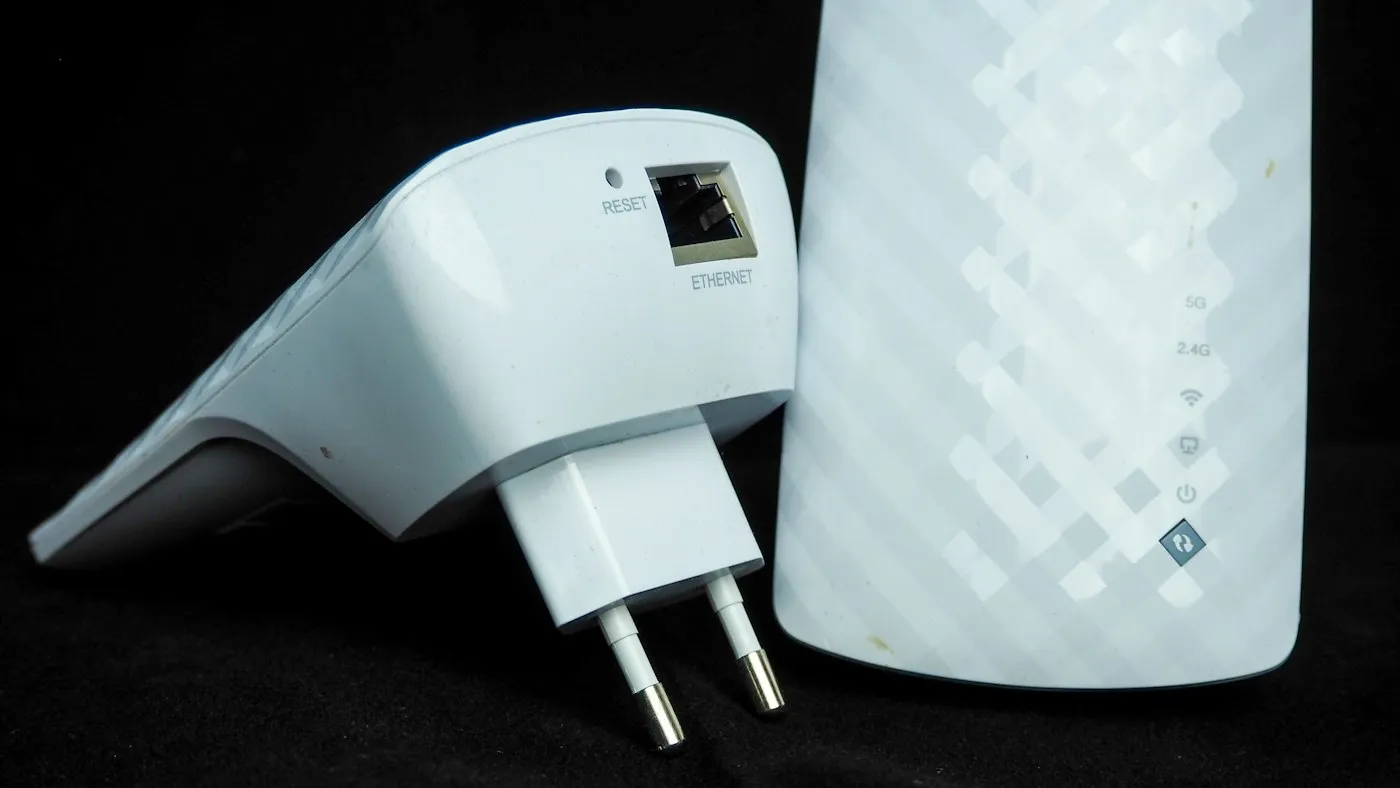
Mesh Wi-Fi vs extenders explained: how each fixes dead zones, why wired backhaul works best, and which to choose for your home's size, walls and floors.
Contact RedAndWhiteMagz.com
Spotted a new gadget, a scam making the rounds or a mistake in one of our guides? Tell us. We read every message and reply as quickly as we can.