

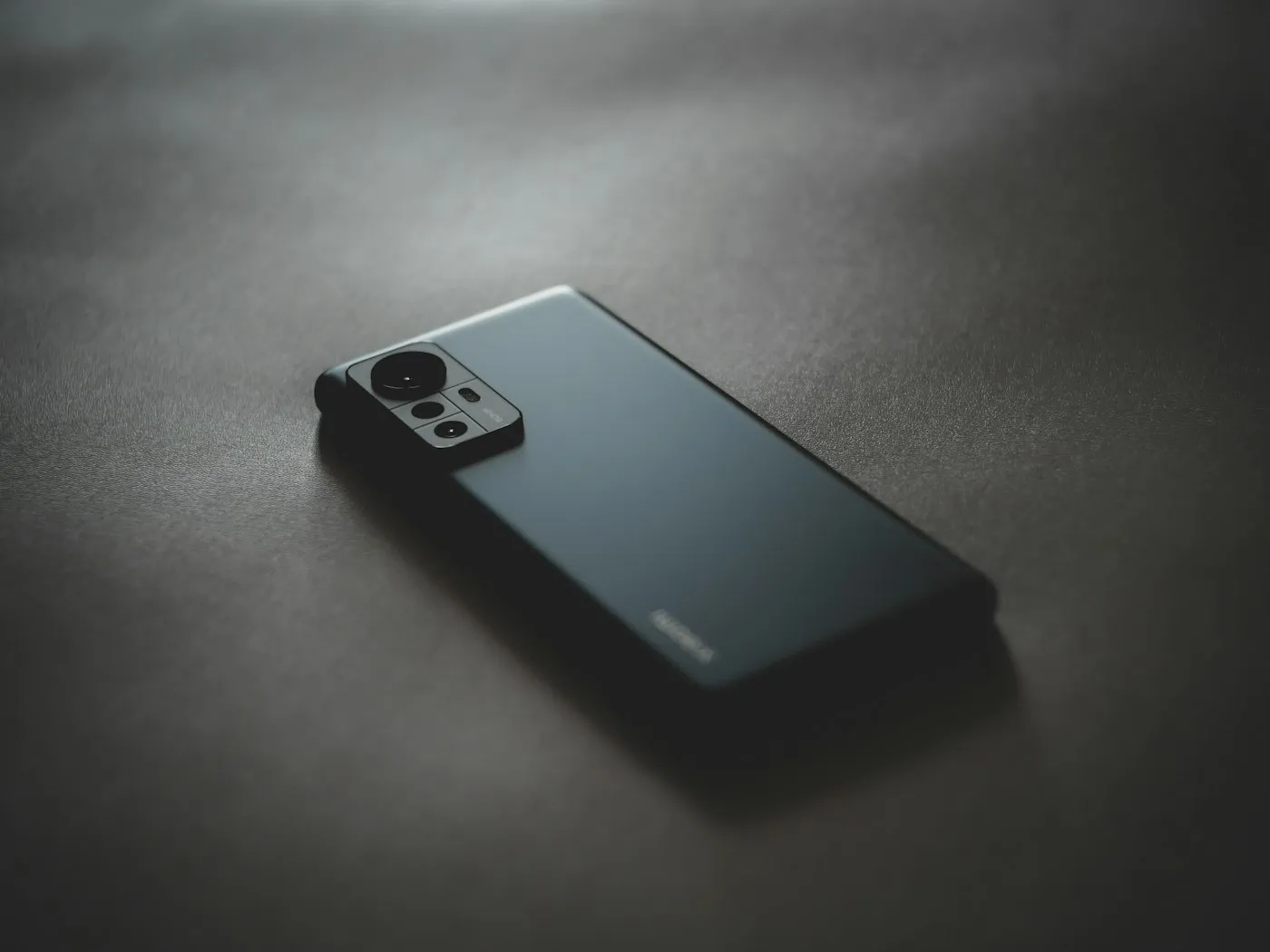
Budget smartphone buying guide: what to keep and what to compromise
Budget smartphone buying guide for 2026: the features worth keeping, like long software support and a good main camera, and the extras you can safely skip.
Smartphones · Explainer
How long will your phone get software updates? Compare 2026 update support for Pixel, Galaxy and iPhone, find your end date and learn what to do next.
Key takeaways
Most new flagship phones now get far longer software support than they did a few years ago. As of 2026, Google and Samsung promise seven years of updates for their recent flagships, and Apple commits to at least five years of security updates for recent iPhones, often supporting them for longer. The clock usually starts when a model launches, not when you buy it, so your phone’s real end date depends on which model you have and how old it is.
“Software updates” covers several different things, and phone makers often promise them separately.
| Update type | What it does | How often it arrives |
|---|---|---|
| OS upgrade | A new major version, such as iOS 26 to iOS 27, with new features and design changes | About once a year |
| Security update | Fixes flaws that attackers could use to break into the phone or steal data | Monthly on many Android phones; as needed on iPhone |
| Bug-fix and feature update | Fixes glitches and adds smaller features between major versions, such as Google’s Pixel Drops | Varies by brand |
Security updates are the ones that decide whether a phone stays safe to use. A phone stuck on last year’s OS that still gets patches stays protected against the flaws its maker fixes. A phone that gets no patches does not, whatever version it runs.
Apple shows the difference clearly. The iPhone XS and iPhone XR can’t run iOS 26, but Apple still shipped them a security update, iOS 18.7.10, in August 2026.
So when you read a support promise, check which kind of update it covers. Google’s and Samsung’s flagship promises include both OS upgrades and security updates. Apple’s formal commitment covers security updates only.
These are the makers’ own published promises as of September 2026.
| Phones | OS upgrades | Security updates | Clock starts |
|---|---|---|---|
| Google Pixel 8 and later, including the Pixel 10a and Pixel 11 series | 7 years | 7 years | First sale on the US Google Store |
| Google Pixel 6 and 7 series, and the original Pixel Fold | 5 years | 5 years | First sale on the US Google Store |
| Samsung Galaxy S24, S25 and S26 series | 7 generations | 7 years | Global launch |
| Samsung Galaxy A57 5G and A37 5G | Up to 6 generations | Up to 6 years | First global launch |
| Recent iPhones | No published schedule | At least 5 years | First supply date |
Google counts support from the day each model first went on sale on the US Google Store, and it publishes those availability dates on a separate page. The Pixel 8 went on sale in October 2023, so its seven-year promise runs to about October 2030.
The Pixel 6 and Pixel 6 Pro are a timely example of the other end. They went on sale in October 2021 with five years of support, so their window closes around October 2026. The Pixel 5a and older models no longer get Android version or security updates.
Samsung promises seven generations of Android upgrades and seven years of security updates for the Galaxy S24, Galaxy S25 and Galaxy S26 series. Its 2026 midrange phones, the Galaxy A57 5G and A37 5G, get up to six of each. Samsung adds that timing can vary by model and market.
How often patches arrive changes over a phone’s life, too. Samsung’s security updates page lists which devices get monthly patches and which get quarterly ones, and it notes that the monthly list changes “as the regular support period expires.” In September 2026, the Galaxy S23 to S26 series get monthly patches, while the older Galaxy S22 series and S21 FE are on the quarterly list. An aging Galaxy often moves to slower patches before support stops entirely.
Apple doesn’t publish an upgrade schedule for iPhones. Its formal minimum comes from UK compliance filings: the iPhone 16 statement, for example, lists a “Minimum 5 Years from the first supply date” of September 20, 2024.
In practice, iPhones have lasted longer than that. iOS 27, released on September 14, 2026, still runs on the iPhone 11, a 2019 phone. Apple’s security releases page also shows occasional patches for much older models: iOS 15.8.8 reached the iPhone 6s and iPhone 7 in May 2026. Apple doesn’t promise these extra patches or say how long they will continue.
Google’s Android Help notes that update schedules vary by device, manufacturer and carrier. Promises can differ even within one brand, as Samsung’s S and A series show. Before you buy, find the maker’s written policy for that exact model rather than relying on a store listing or a review.
Since June 20, 2025, EU ecodesign rules have applied to new phones and tablets placed on the EU market. If a maker keeps releasing updates for an operating system, it must offer them free to every unit of a model for at least five years after the last unit is sold. The regulation also sets deadlines: security and bug fixes within four months of the underlying OS update’s public release, and feature updates within six months.
Because that clock starts when sales end, not at launch, the real window is often well over five years from a phone’s debut. The same rules cover durability and repair:
Since April 29, 2024, the UK’s product security regime has required makers of connected devices to publish the minimum length of time they will provide security updates, along with an end date. That law is why Apple’s five-year statements exist, and anyone can read them.
The same math applies when you shop. A discounted or refurbished phone has already used part of its window, which is why our buying cheat sheet and budget smartphone buying guide both put years of support left near the top of the list.
Your phone won’t stop working the day support ends. But security flaws found after that date stay unfixed, so the risk grows over time. Apps may also drop support for older OS versions eventually.
Put banking, payments, work email, your password manager and your authenticator app on a phone that still gets patches. If an old phone is your only sign-in method for important accounts, add a second one first; our explainer on two-factor authentication methods covers the options.
A phone’s update clock starts at launch, so look up your model’s launch date and the maker’s written promise, then check your security patch date now and then. Judge a phone by how long it will get security updates, not just new features, and start planning a move before that date arrives. Find more phone advice in our Smartphones section, or browse more plain-English guides on RedAndWhiteMagz.com.
Often, yes. Samsung says unlocked Galaxy phones typically get updates sooner, because carrier-locked models can be delayed while the carrier reviews and customizes each update. Google also notes that Android update schedules vary by device, manufacturer and carrier.
No. The rule is legally binding only for phones placed on the EU market from June 20, 2025. US buyers may benefit when a maker uses the same update policy worldwide, but nothing in US law guarantees it, so rely on the maker's written promise for your model.
Apple lists the iPhone 11 series, iPhone SE (2nd and 3rd generation) and every later model, including the iPhone 17 family, iPhone Air, iPhone 17e and iPhone 18 Pro models. If your iPhone is older than that, check Apple's security releases page to see whether it still gets security-only updates.
No. Support is counted from when the model first launched, not from the day you buy it. A phone that launched two years ago with a seven-year promise has about five years left, so subtract its age before you compare it with a newer model.
First published . Spotted an error? Read our editorial policy and tell us.
Budget smartphone buying guide for 2026: the features worth keeping, like long software support and a good main camera, and the extras you can safely skip.
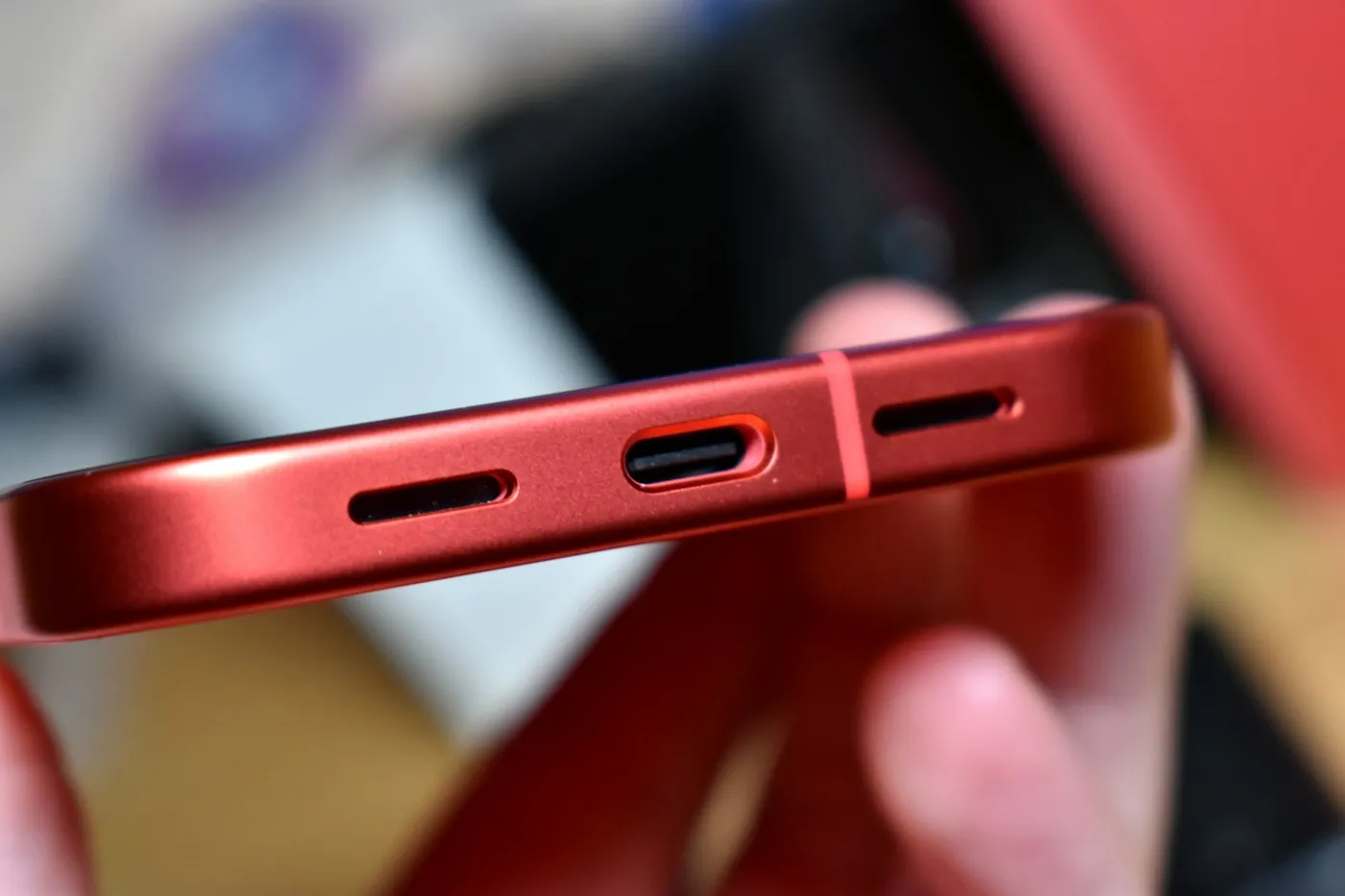
Fast charging explained in plain English: how watts, USB-C Power Delivery, PPS and Qi2 work, which cable you need, and which settings protect battery health.
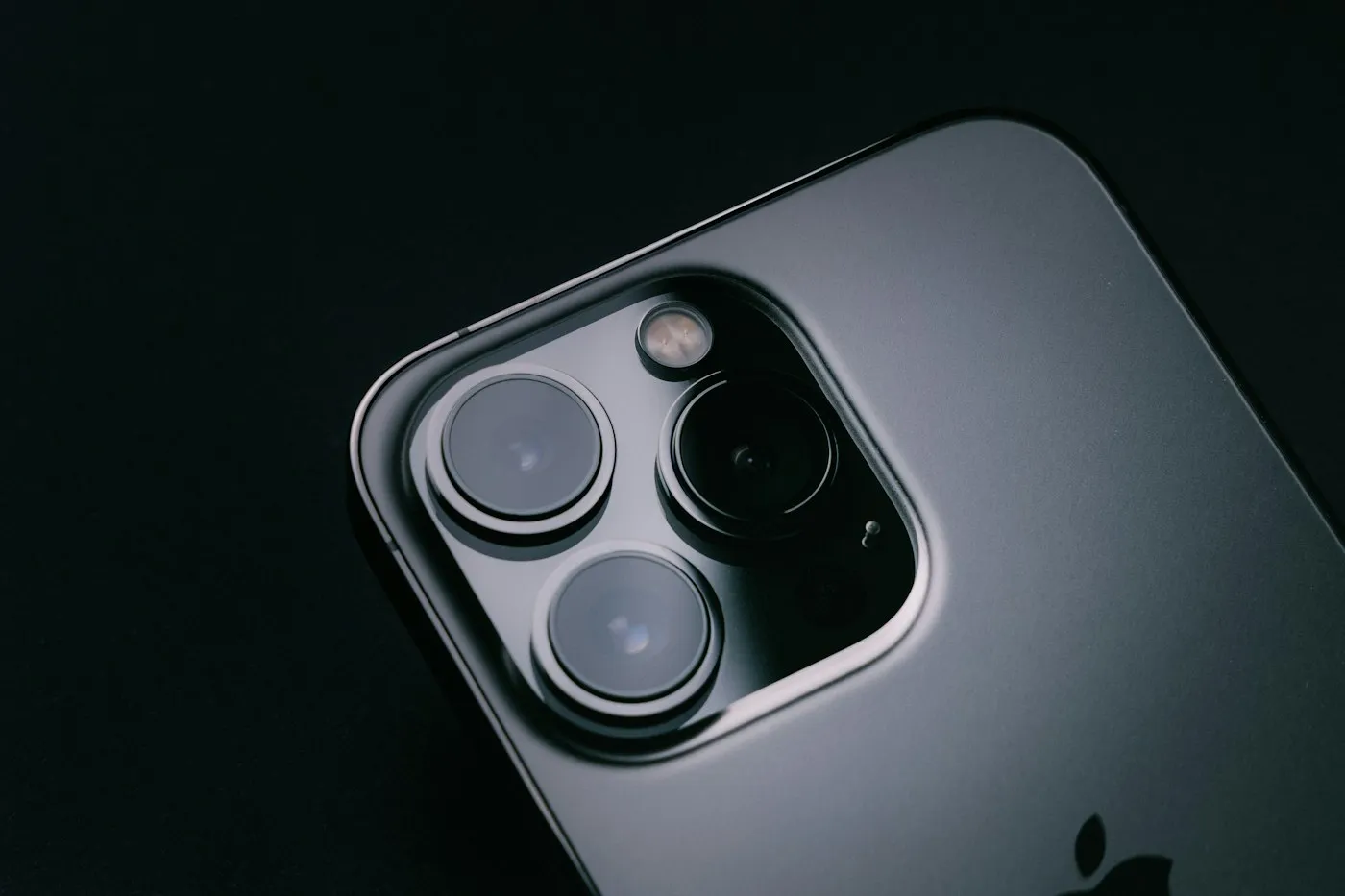
Why smartphone camera megapixels mislead: how sensor size, pixel binning, lenses and processing shape your photos, and what to check before you buy a phone.
Contact RedAndWhiteMagz.com
Spotted a new gadget, a scam making the rounds or a mistake in one of our guides? Tell us. We read every message and reply as quickly as we can.