


Game controllers explained: Hall effect sticks, polling rate and compatibility
Game controllers explained: how Hall effect and TMR sticks resist drift, what polling rate means, and which pads work with PC, PS5, Xbox and Switch 2.
Gaming · Comparison
Gaming PC vs console in 2026: how PS5, PS5 Pro, Xbox Series X|S, Switch 2 and a gaming PC compare on cost, games, graphics, subscriptions and upgrades.

Key takeaways
If you mainly want to play on a TV with as little fuss as possible, a console is the simpler and cheaper way in. A gaming PC costs more up front, but it can look better if you pay for the parts, most PC games don’t charge for online play, and you can upgrade it over time. For most people in 2026, though, the choice still comes down to which games you want to play and where your friends play them.
As of September 2026, these are the main current-generation consoles, plus the PC. Here’s how they compare, using figures from Sony, Microsoft and Nintendo:
| System | Built-in storage | Target resolution | Disc drive | Handheld? |
|---|---|---|---|---|
| PS5 | 1TB | 4K | Blu-ray | No |
| PS5 Digital Edition | 825GB | 4K | Add-on drive sold separately | No |
| PS5 Pro | 2TB | 4K with AI upscaling | Add-on drive sold separately | No |
| Xbox Series X | 1TB or 2TB | 4K, up to 120fps | 4K Blu-ray (not on the all-digital model) | No |
| Xbox Series S | 512GB or 1TB | 1440p, up to 120fps | None, all-digital | No |
| Nintendo Switch 2 | 256GB | 1080p handheld, up to 4K on a TV | No, uses game cards | Yes |
| Gaming PC | Your choice | Depends on the parts | Optional | Only handheld PCs |
All three console makers still support older games. PS5 consoles play most PS4 games, Xbox Series X|S play many older Xbox games, and Nintendo says Switch 2 plays both physical and digital Switch games, though some may not be fully compatible.
A console arrives as a complete package with a controller. You plug it into the TV you already own, and you’re playing. A gaming PC that matches or beats the current consoles usually costs more, especially once you add a monitor, keyboard, mouse and a Windows license if you build it yourself.
PC parts have also gotten pricier. IDC reports that memory makers have shifted production toward chips for AI data centers, and that PC makers have signaled broad price increases as costs climb into the second half of 2026. Console prices have changed too, so compare current prices rather than last year’s.
Then there are the ongoing costs. Here’s what you pay to play online:
| Platform | Needed for most online multiplayer | Optional extras |
|---|---|---|
| PS5 | PlayStation Plus (any tier) | Extra and Premium add a catalog of hundreds of games |
| Xbox Series X or S | Xbox Game Pass (any tier) | Premium and Ultimate add bigger libraries, and Ultimate adds new games on day one |
| Switch 2 | Nintendo Switch Online | The Expansion Pack adds classic games, including GameCube titles |
| PC | Usually nothing | PC Game Pass and other optional services |
There are exceptions. Xbox has let everyone play free-to-play games online without a subscription since 2021. PlayStation says some games don’t need PlayStation Plus for online play, and Nintendo lets you play some games, like Fortnite, online without a membership. Over several years, though, those fees add up.
Games themselves go on sale on every platform, and PC stores such as Steam run regular sales. Buying discs on a PS5 or Xbox Series X lets you buy used and resell, and so do Switch 2 game cards.
This is usually the deciding factor.
Think about your friends, too. Many big online games support cross-play between platforms, but not all of them do. If your group plays one game on one system, joining them there is the easiest option.
Consoles have fixed hardware, so developers tune each game for it. Many games let you choose between a quality mode for sharper images and a performance mode for smoother frame rates.
A PC has no fixed ceiling. You can go past console image quality, run very high frame rates on a fast monitor or use an ultrawide screen, but only if you pay for the parts. A budget PC can easily look worse than a PS5. If you go the PC route, our gaming monitor buying guide and our tips to reduce input lag will help you get the most from it.
Consoles are built for the couch. Updates install automatically, every game is made for your hardware, and there are no settings you have to tweak.
A PC asks more of you. You’ll deal with graphics driver updates, Windows updates and in-game settings, and you’ll occasionally need to troubleshoot. If you’re reusing an older PC, check its operating system. Microsoft ended Windows 10 support on October 14, 2025, so it no longer gets security updates unless you’re enrolled in Extended Security Updates, which run until October 12, 2027.
The payoff is upgrades. On a PC, you can swap the graphics card, add memory or fit a bigger SSD years later. Our guides to how much RAM you need and SSD vs HDD storage cover the basics. Consoles mostly let you add storage: Xbox uses expansion cards or USB drives, Switch 2 uses microSD Express cards, and PS5 has an internal SSD slot.
There’s also a middle ground. Handheld gaming PCs play your PC library anywhere, and Valve’s Steam Machine is a compact PC designed for the TV. Whatever you choose, our guide to game controllers explains which pads work where.
You want Sony’s own games early, your friends play on PlayStation, or you want a simple 4K console. Pick the Pro only if you have a 4K TV and care about the sharpest image.
You want Game Pass on your TV, or you play Microsoft’s games and want them on day one. The Series S is small and all-digital, but it has no disc drive and targets a lower resolution.
You want Nintendo’s games, family-friendly local multiplayer, or a console you can take with you. Its games rarely overlap with other platforms, so it pairs well with a PC or another console.
You already need a computer, you want mods or keyboard-and-mouse games, or you want the highest frame rates and don’t mind some tinkering. Our laptop buying guide can help if you’d rather game on a laptop.
For most people who want to sit down and play on a TV, a console is the easier and more affordable choice in 2026. A gaming PC makes sense if you’ll use it for more than games, want the widest library and the best visuals, and are happy to spend more up front. Start with the games you want to play, check where your friends are, and let that decide. For more gaming advice, see our gaming coverage and the rest of the plain-English guides on RedAndWhiteMagz.com.
It can be, but it depends on how you play. A PC usually costs more up front, while most PC games don't charge for online play and PC stores run frequent sales. If you'd pay for a console membership anyway and buy only a few games a year, a console often works out cheaper overall.
Yes. Most modern PC games support controllers, and Xbox and PlayStation controllers connect to Windows PCs over USB or Bluetooth. You can switch between a controller and a keyboard and mouse depending on the game.
Only if you have a 4K TV and care about sharper images and smoother frame rates. It plays the same games as the standard PS5, but with stronger graphics hardware and Sony's AI upscaling. It also comes with 2TB of storage, though the disc drive is sold separately.
For some people. Most Xbox Game Pass plans, plus PlayStation Plus Premium, let you stream some games without downloading them, but streaming needs a fast, stable internet connection and adds a little delay. It works well for trying games, but most players still want local hardware.
First published . Spotted an error? Read our editorial policy and tell us.
Game controllers explained: how Hall effect and TMR sticks resist drift, what polling rate means, and which pads work with PC, PS5, Xbox and Switch 2.
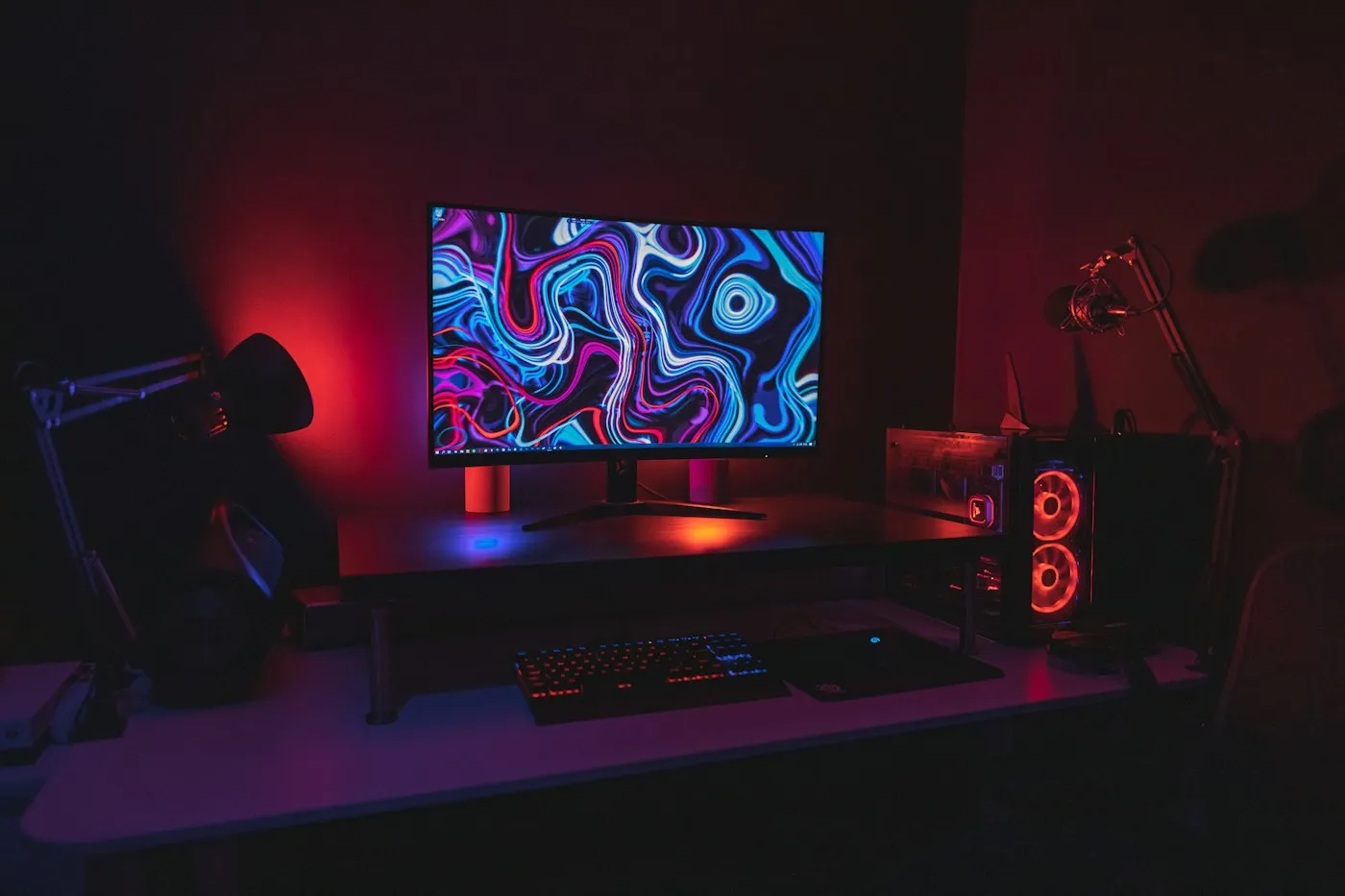
Our gaming monitor buying guide explains resolution, refresh rate, response time, panel types, HDR and ports so you can match a screen to your PC or console.
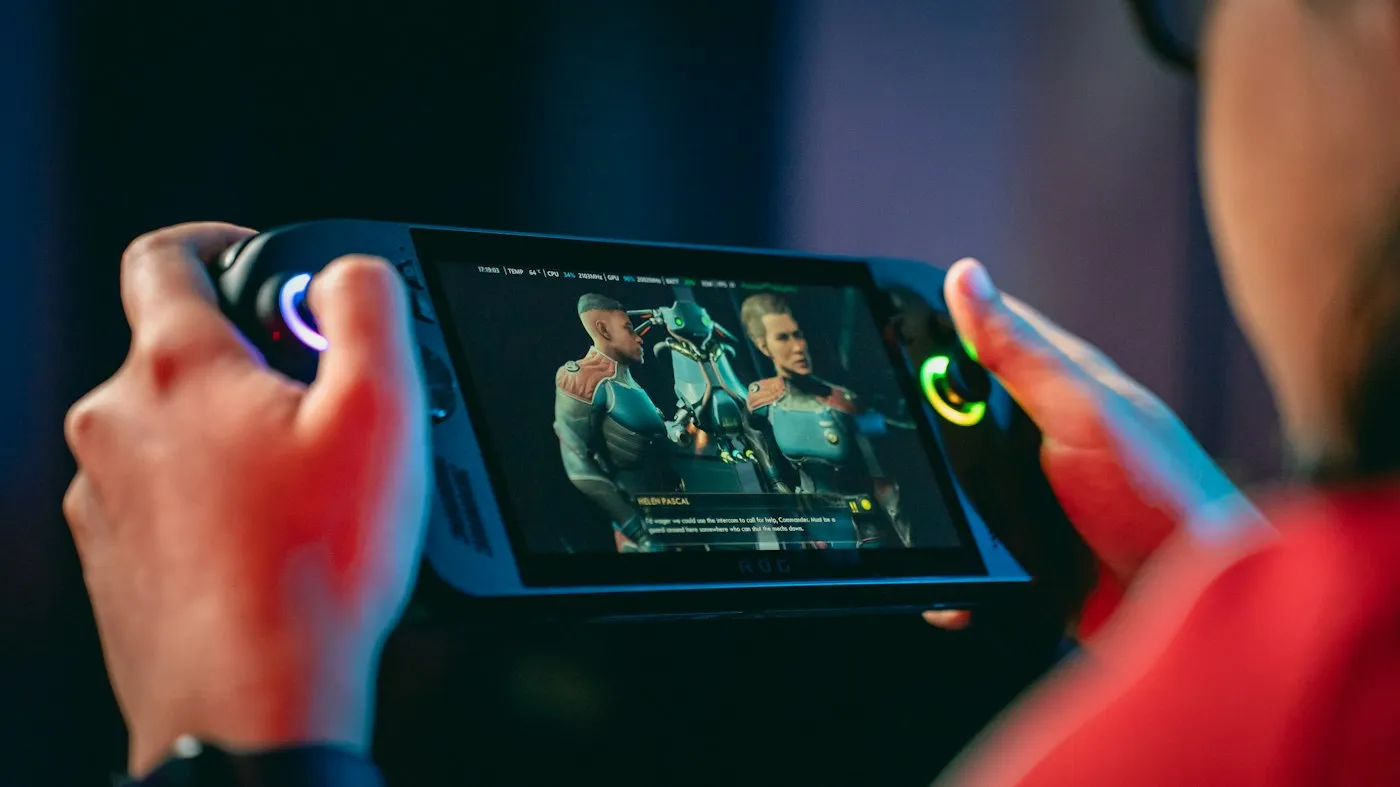
Our handheld gaming PC buying guide explains SteamOS vs Windows, chips, OLED screens, battery life, storage, docking and game compatibility before you buy.
Contact RedAndWhiteMagz.com
Spotted a new gadget, a scam making the rounds or a mistake in one of our guides? Tell us. We read every message and reply as quickly as we can.